Creating a relaxing home workspace is essential for maintaining productivity and comfort, especially as more people work remotely. A well-designed space can help reduce stress, improve focus, and make your workday more enjoyable. Whether you have a dedicated room or a small corner, these tips will guide you in setting up a home office that supports your best work while keeping you comfortable.
Why a Relaxing Workspace Matters
Your environment greatly influences how you work. A cluttered or uncomfortable space can lead to distractions and frustration. On the other hand, a calming workspace encourages concentration and creativity. Paying attention to lighting, furniture, organization, and personal touches can transform your home office into a place where you look forward to spending time.
Choosing the Right Location
Find a Peaceful Spot
Pick an area in your home with minimal noise and foot traffic. If possible, select a quiet corner or room away from distractions like the television or busy household areas. This separation helps your brain associate the space with work, improving focus.
Consider Natural Light
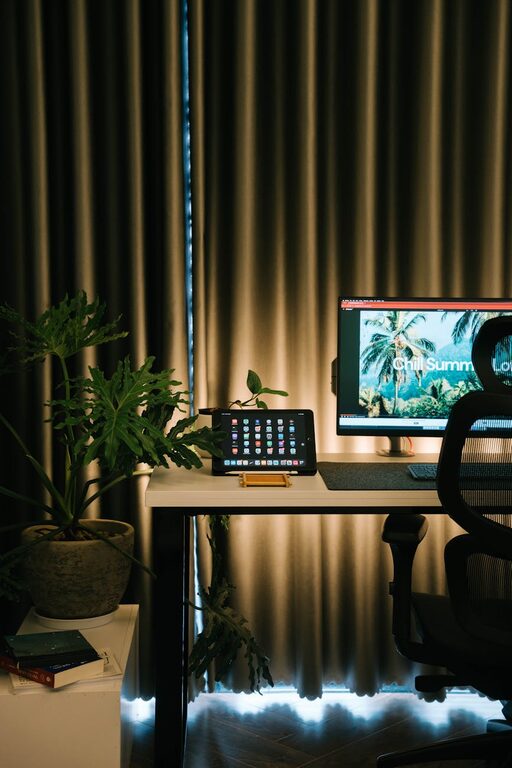
Natural light boosts mood and energy levels. Position your desk near a window to enjoy daylight while working. If this isn’t possible, invest in quality lighting that mimics daylight to reduce eye strain.
Comfortable and Supportive Furniture
Invest in an Ergonomic Chair
Comfort is key for long work sessions. A chair that supports your lower back, promotes good posture, and adjusts to your height can prevent discomfort and fatigue. Look for chairs with adjustable seat height, lumbar support, and armrests.
Use an Appropriate Desk
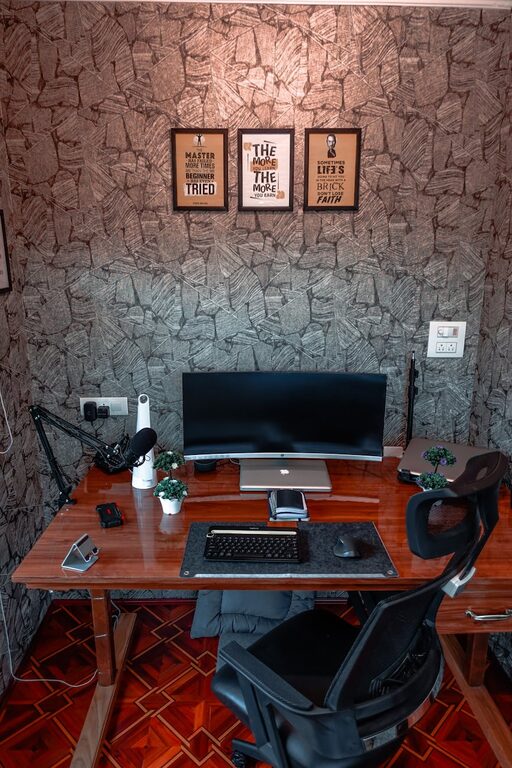
Choose a desk that fits your space and work needs. It should be large enough for your computer, accessories, and any paperwork without causing clutter. Adjustable desks that allow sitting or standing can add flexibility and reduce physical strain.
Organizing Your Workspace
Declutter Regularly
Keeping your area tidy minimizes distractions. Clear your desk of unnecessary items and store office supplies in drawers or organizers. A clean workspace helps your mind stay clear and focused.
Use Storage Solutions
Incorporate shelves, filing cabinets, or storage boxes to keep papers, devices, and supplies organized. Label storage containers for easy access, making it quicker to find what you need.
Personalizing for Comfort and Inspiration
Add Plants
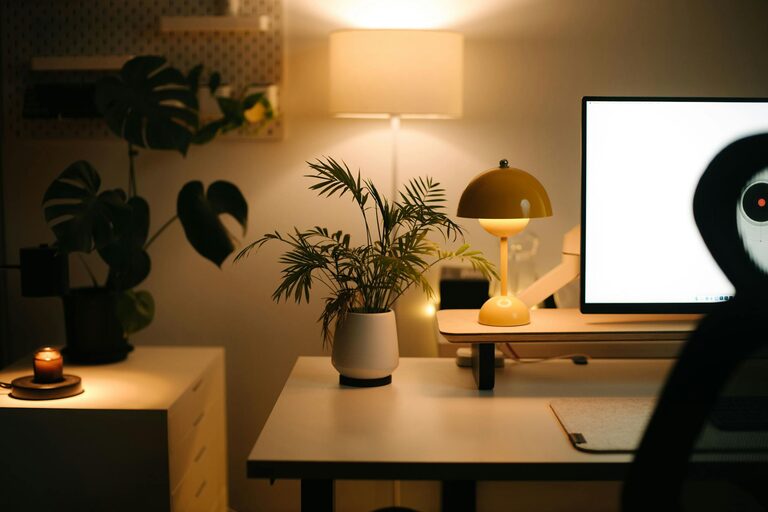
Houseplants not only add color but can improve air quality and reduce stress. Choose low-maintenance plants like succulents or pothos that thrive indoors.
Include Personal Touches
Display a few meaningful items like photos, artwork, or inspirational quotes. These elements make your workspace inviting and motivate you throughout the day.
Managing Noise and Distractions
Use Noise-Cancelling Headphones
If ambient noise is unavoidable, headphones can help block distractions and improve concentration. Playing soft instrumental music or white noise can also create a pleasant working atmosphere.
Set Boundaries
Communicate your work hours to family or housemates to minimize interruptions. Using a “do not disturb” sign on your door or workspace can reinforce this boundary.
Prioritizing Well-Being
Take Breaks and Move
Incorporate short breaks into your routine to stretch, hydrate, and rest your eyes. Movement promotes circulation and reduces fatigue, boosting productivity when you return to work.
Maintain Good Air Quality
Ensure your workspace is well-ventilated. Fresh air and balanced humidity help you stay alert and comfortable.
Technology and Connectivity
Optimize Your Setup
Arrange your computer, monitor, keyboard, and mouse ergonomically to reduce strain. Use cable organizers to keep cords tidy and avoid clutter.
Reliable Internet Connection
A strong, stable internet connection is essential for smooth communication and work tasks. Consider a wired connection if Wi-Fi signals are weak.
Final Thoughts
Creating a relaxing home workspace doesn’t require a complete overhaul. With thoughtful adjustments to location, furniture, organization, and ambiance, you can build a space that nurtures productivity and comfort. Remember, your workspace should support not only your tasks but also your well-being. Take time to customize it in a way that makes your work feel less like a chore and more like an enjoyable daily routine.
About the Author