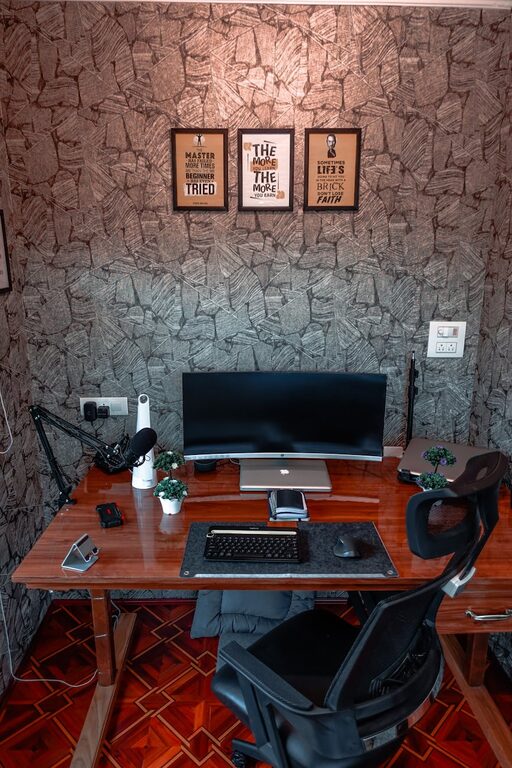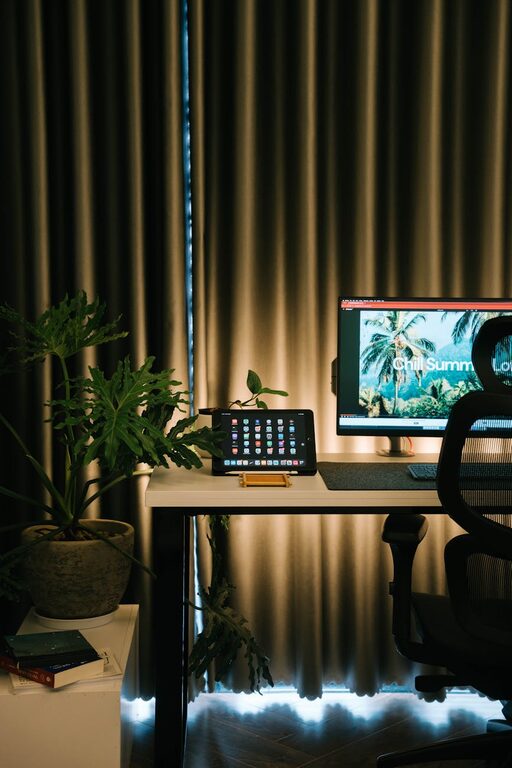
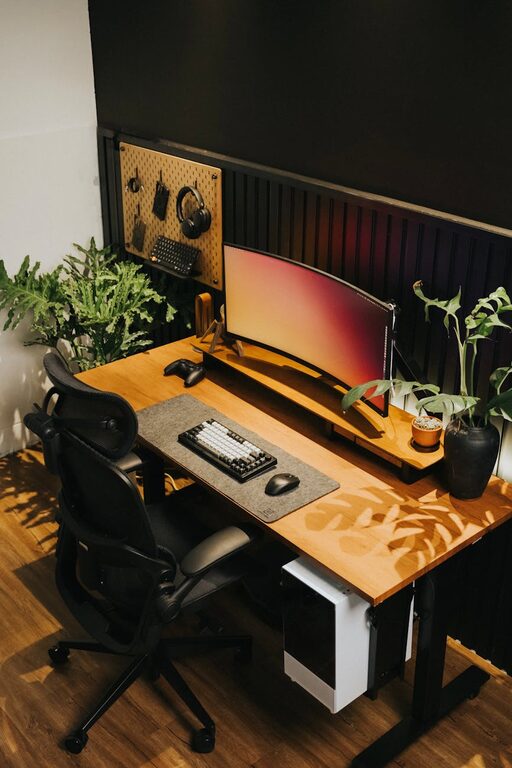
Creating a home workspace that is both cozy and functional can greatly enhance your productivity and comfort while working from home. Whether you have a dedicated room or just a small corner, setting up a space that meets your needs helps you stay focused and reduces stress. In this post, we’ll explore practical tips for designing a home workspace that feels inviting and supports your daily tasks effectively.
Choose the Right Location
The first step in creating a home workspace is selecting the best spot. Consider these factors:
– Natural Light: Position your desk near a window if possible. Natural light boosts mood and reduces eye strain.
– Low Traffic Areas: Choose a quiet corner or room away from household noise and distractions.
– Space Availability: Ensure you have enough room for your desk, chair, and any equipment or supplies you need.
If a dedicated room isn’t an option, a well-defined corner with room dividers or shelves can create a sense of separation from living spaces.
Invest in Ergonomic Furniture
Comfort is key when working long hours. Ergonomic furniture helps prevent aches and injuries.
– Chair: Choose an adjustable chair with good lumbar support.
– Desk: Pick a desk that fits your space and allows for comfortable arm placement. Standing desks are great options if you want to alternate between sitting and standing.
– Accessories: Use a keyboard tray, monitor stands, or footrests to maintain proper posture.
Spending a bit more on quality furniture is an investment in your health and productivity.
Organize for Efficiency
Good organization reduces clutter and keeps essentials within reach.
– Storage Solutions: Use shelves, drawers, or filing cabinets to store documents and supplies.
– Desk Accessories: Use pen holders, cable organizers, and trays to keep your desk tidy.
– Digital Organization: Keep your computer desktop and files orderly to improve workflow.
Set up a routine for tidying your workspace daily to maintain a neat environment.
Personalize Your Space
Adding personal touches makes your workspace feel more inviting and motivating.
– Colors: Choose a color palette that calms or energizes you. Soft blues and greens are relaxing, while yellows and oranges inspire creativity.
– Decor: Add plants, artwork, or photos that bring you joy.
– Lighting: Use desk lamps or soft overhead lighting to create warmth. Avoid harsh fluorescent lights when possible.
A well-decorated space can help reduce stress and encourage focus.
Manage Technology Effectively
Smooth tech setup is essential for productivity.
– Reliable Internet: Ensure your internet connection is stable and fast.
– Cable Management: Use clips or sleeves to keep cords tidy and prevent tangling.
– Devices: Keep essential tech like printers, scanners, or extra monitors accessible but not cluttering your desk.
Regularly update and maintain your devices to avoid technical interruptions.
Incorporate Break and Movement Areas
Long periods of sitting can affect your health and concentration.
– Stretching Space: Leave room for simple stretches or yoga.
– Break Spots: If possible, create a small comfortable space nearby to relax during breaks.
– Movement Reminders: Use apps or alarms to remind you to stand or move every hour.
A workspace that encourages movement helps keep your mind and body refreshed.
Control Noise and Distractions
Maintaining focus is easier with reduced noise and distractions.
– Noise-Canceling Headphones: Useful if your environment is noisy.
– Soundproofing: Add rugs, curtains, or acoustic panels to absorb sound.
– Distraction-Free Zones: Set boundaries with family or roommates about your working hours.
Establishing a quiet environment supports deep work and concentration.
Keep Air Quality and Temperature Comfortable
Good air quality and temperature affect comfort and productivity.
– Ventilation: Open windows or use fans to ensure fresh air circulation.
– Plants: Indoor plants can improve air quality and create a relaxing atmosphere.
– Temperature: Adjust heating or cooling to a comfortable level; avoid extremes.
A comfortable climate helps you stay focused on your work.
Final Thoughts
Creating a home workspace that is both cozy and functional takes a bit of planning but pays off with increased comfort and efficiency. Selecting the right location, investing in ergonomic furniture, organizing well, and adding personal touches all contribute to a space where you can do your best work. Remember to consider your specific needs and preferences as you design your workspace and make adjustments over time.
With these tips, you’re well on your way to enjoying a home workspace that supports your productivity and well-being every day. Happy decorating!
About the Author